(artist reflection – Degas)
Today, I get to introduce you to a dear artist. He has encouraged me during times of insecurity and pain; he has comforted me in the pursuit of understanding the inexplicable. During my journey of coming to terms with one particular fear, the artist Degas has revealed eternal truths by the way he lived his life and his pursuit of the artistic craft despite barriers.
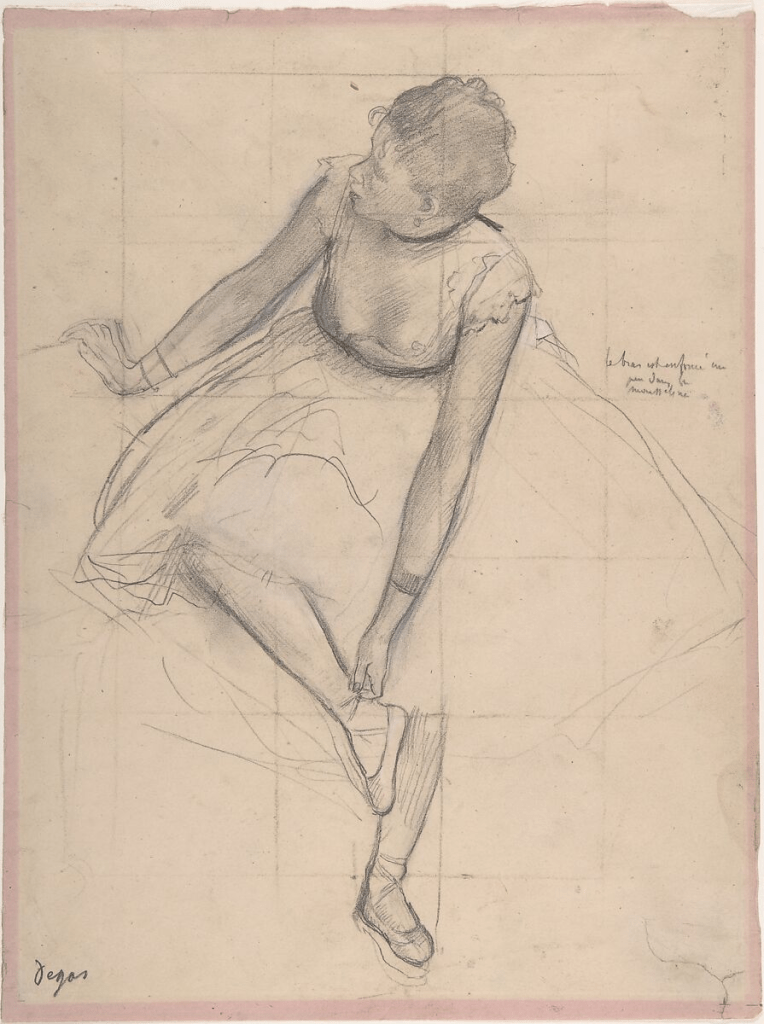
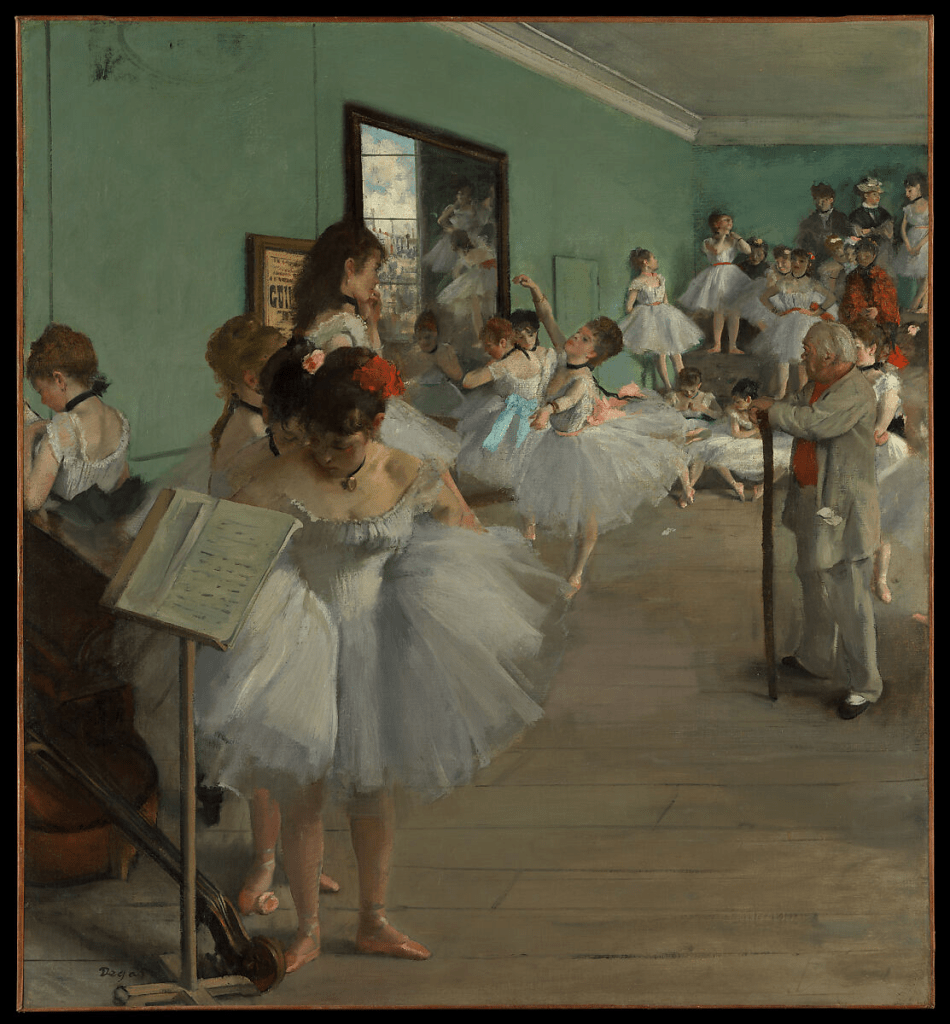
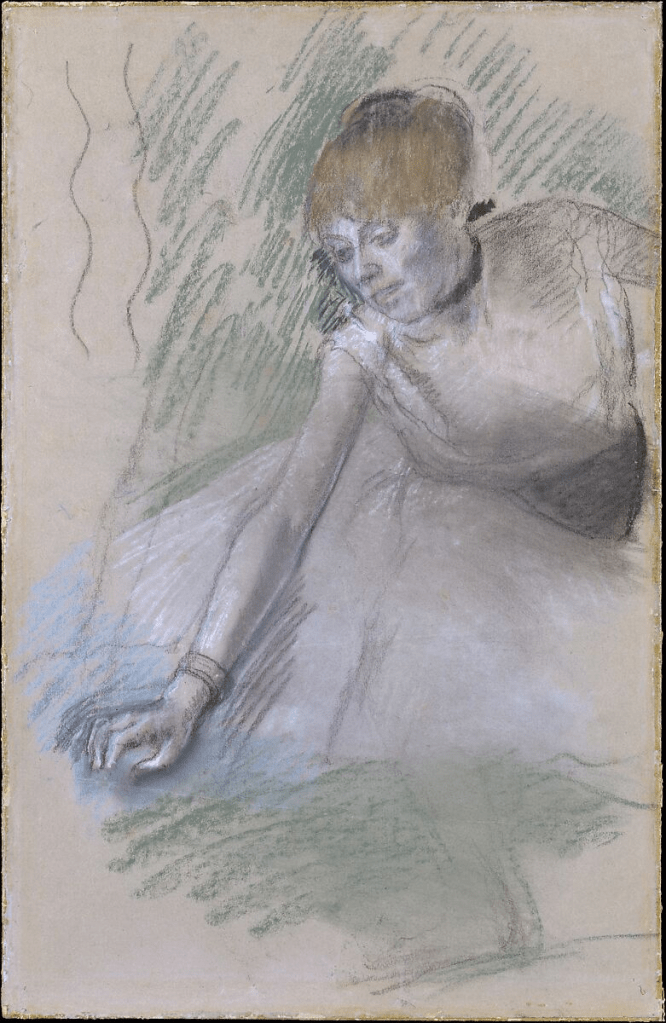
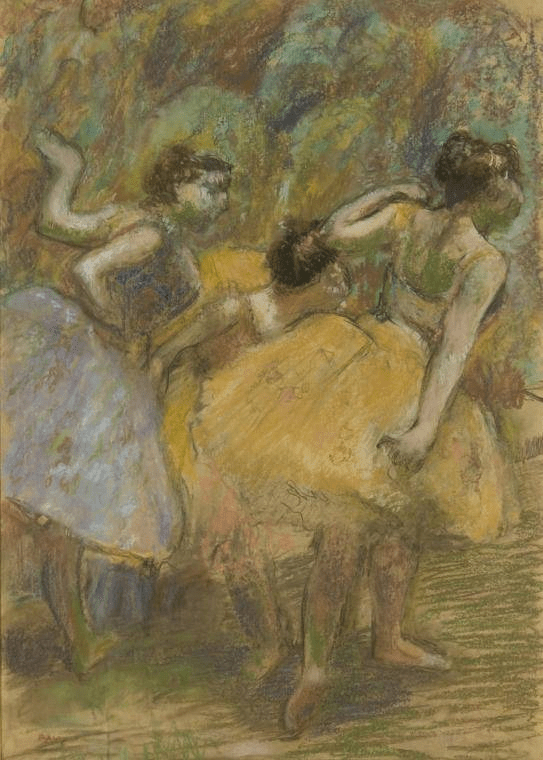
Degas was a famous painter (1834-1917) who created “realist” art and put viewers into spaces they had never seen before (behind the scenes and in the mundane). His early works revealed such attention to detail it was almost surreal. After the 1880s, Degas had to come to terms with a degenerative eye disease, which impacted the way he engaged with art the more it progressed1. What’s unique about our perspective, a hundred years after his death, is we can see the progress of the degeneration through his art.
Perhaps not everyone deals with the fear of losing their eyesight, but we all run the risk of losing our vision. Everyone has increased risk factors to lose vision in life, which can look like our vocational calling and pursuit of living a good life. The world puts strain on our vision to the point where it takes more than an act of our personal will to withstand the pressure.
Degas’s pain was both physical and emotional. It pained him beyond the literal sense of retina pain, and the inability to create art in the same manner which he had loved was cause for heartache. He knew what he was made to do and what brought joy in his life. He never “lost sight” of his artistry, it just changed due to the life circumstances that presented themselves to him.
Suffering and hardship inflict everyone; there is no escaping it. Degas reveals a persistence and resilience to the pain of his life. The most precious gift he was given to steward could have been surrendered when his eyesight worsened. However, he chose to continue creating art. As a result, we get to see the evolution of his degeneration. The fruit of years and years of dedicated practice reveal inner depths unique to his latter works. Degas continued to learn new techniques, especially during the time of his degeneration.
Some of the last known works of Degas are sculptures of dancers and were done between 1910-1912. Degas is known for his drawings and paintings of dancers (he produced about 1,500 works on the subject2), he focused on them so much that when he was blind, he still knew the form. His discipline and dedication throughout his life guided him when he lost his eyesight. In the same way, how we live our lives and the habits we form, will be a needle pointing in the direction we are heading.
Degas encourages me to continue to work at the things I love and live into the person I want to be. Fear of the future will only limit the present, but if I live into my true identity every day and trust in God’s sovereignty I will be able to withstand anything3. Degas puts it like this, “You must aim high, not in what you are going to do at some future date, but in what you are going to make yourself do today. Otherwise working is just a waste of time.4“
- Edgar Degas (1834–1917): Painting and Drawing – The Metropolitan Museum of Art ↩︎
- Edgar Degas (1834–1917): Painting and Drawing – The Metropolitan Museum of Art ↩︎
- Matthew 6:34, “Therefore do not worry about tomorrow, for tomorrow will worry about itself. Each day has enough trouble of its own.” ↩︎
- 20 Quotes from Edgar Degas | Denver Art Museum ↩︎
Selected Works

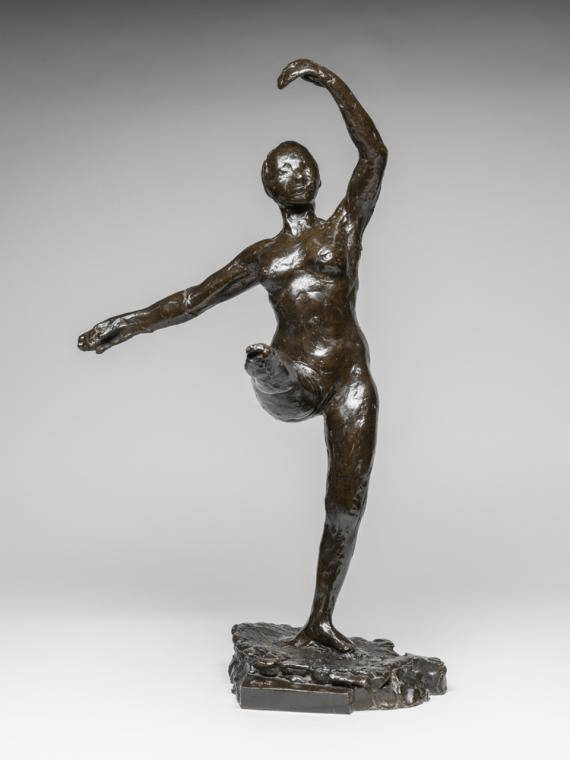
 Hannah Rachelle
Leave a comment